
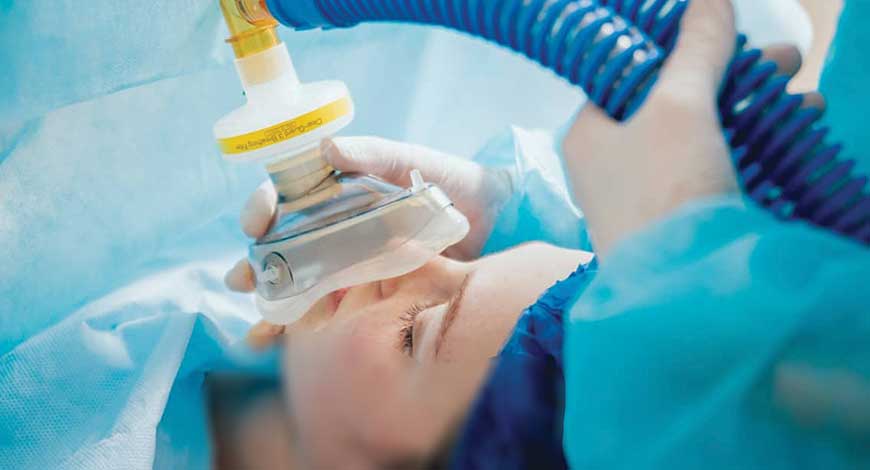
Anesthesia plays a vital role in modern medical care, ensuring that patients undergo surgical and diagnostic procedures with minimal discomfort and maximum safety. While the thought of anesthesia may raise concerns for many, understanding how it works and what to expect during the process can make the experience far less daunting. With proper knowledge and preparation, patients can take active steps toward a safer, smoother medical procedure. This anesthesia safety and preparation guide explores essential considerations before, during, and after anesthesia to help patients feel more informed and confident.
Understanding the Role of Anesthesia in Medical Care
Anesthesia is used to block pain and sensation during medical procedures, ranging from minor outpatient treatments to complex surgeries. Depending on the type of procedure, anesthesia may be local, regional, or general. Local anesthesia numbs a small area, while regional anesthesia affects a larger portion of the body. General anesthesia, on the other hand, places the patient in a controlled state of unconsciousness.
Each type of anesthesia has unique benefits and considerations. For example, local anesthesia allows patients to remain awake and recover quickly, while general anesthesia is typically reserved for longer or more invasive operations. The type chosen is based on the patient’s health, medical history, and the nature of the procedure.
Safety is always at the forefront of anesthesia administration. Anesthesiologists and nurse anesthetists carefully monitor vital signs such as heart rate, oxygen levels, and blood pressure throughout the procedure. This constant monitoring ensures that the patient remains stable and comfortable, minimizing risks.
Preparing for Anesthesia: What Patients Should Know
Preparation is one of the most important factors in ensuring safety and successful outcomes with anesthesia. A well-prepared patient not only helps the medical team but also reduces potential complications.
The process begins with a preoperative assessment, where the anesthesia provider reviews the patient’s medical history, current medications, allergies, and previous experiences with anesthesia. Conditions such as asthma, sleep apnea, or heart disease may require special adjustments in the anesthesia plan. Patients are often asked about lifestyle habits, including smoking or alcohol use, as these can influence how the body responds to anesthesia.
Dietary guidelines are another crucial element of preparation. Patients are usually advised to avoid food and drink for several hours before surgery to reduce the risk of aspiration, a condition where stomach contents can enter the lungs during anesthesia. Following these instructions is vital for safety.
Medication management is also important. Some medications must be stopped before anesthesia, while others should continue as prescribed. For example, blood thinners might need to be paused to minimize bleeding risks, while medications for blood pressure may need to be maintained. Patients should never adjust their medication routine without guidance from their healthcare provider.
By carefully following these steps, patients can actively contribute to a safer anesthesia experience. This anesthesia safety and preparation guide emphasizes the importance of honest communication with the medical team, as every detail helps shape a plan tailored to the individual’s needs.
Reducing Risks During and After Anesthesia
Even though anesthesia is generally safe, it is not entirely without risks. The likelihood of complications can vary depending on age, overall health, and the complexity of the procedure. However, many risks can be minimized with careful monitoring and patient cooperation.
During the procedure, the anesthesia team uses advanced equipment to monitor vital functions continuously. This allows them to respond quickly if adjustments are needed. Patients undergoing regional or local anesthesia may remain awake but will still be monitored to ensure comfort and safety.
After the procedure, recovery is another critical phase. Patients are moved to a recovery room, where they are observed until the effects of anesthesia begin to wear off. Common side effects may include nausea, sore throat, dizziness, or temporary confusion. These are usually mild and short-lived. More serious complications, such as allergic reactions or breathing problems, are rare but require immediate attention.
Following postoperative care instructions is essential for a smooth recovery. Patients may be advised to avoid driving, operating machinery, or making important decisions for the first 24 hours after anesthesia. Having a trusted friend or family member to assist during this period can help reduce stress and ensure safety.
Special Considerations for High-Risk Patients
Certain individuals require additional precautions when undergoing anesthesia. Older adults, patients with chronic health conditions, and those with previous anesthesia complications fall into this category. For these patients, a detailed preoperative plan is especially important.
High-risk patients may undergo additional testing, such as blood work or heart evaluations, before surgery. In some cases, anesthesia providers may adjust medication doses, use specialized monitoring equipment, or choose alternative anesthesia techniques to lower potential risks.
Pediatric patients also require special attention. Children may feel anxious about procedures, making communication with both the child and parents essential. Pediatric anesthesiologists are trained to handle the unique needs of younger patients, ensuring their safety and comfort throughout the process.
By tailoring the approach to each individual, anesthesia providers ensure that even high-risk patients can safely undergo necessary medical care. The strategies outlined in this anesthesia safety and preparation guide demonstrate the importance of individualized care for optimal outcomes.
Building Patient Confidence Through Education
Knowledge and reassurance are powerful tools for reducing anxiety surrounding anesthesia. Many patients fear the idea of losing consciousness or experiencing complications, but understanding the safeguards in place often provides peace of mind.
Preoperative discussions with the anesthesia team give patients the opportunity to ask questions, clarify concerns, and learn about the process. This dialogue not only builds trust but also helps patients feel more in control of their healthcare experience.
Educational resources, such as brochures, online materials, or consultations, can also reinforce confidence. The more informed a patient feels, the better prepared they are for surgery and recovery.
Ultimately, this anesthesia safety and preparation guide underscores that patient education, open communication, and thorough planning are the cornerstones of safe anesthesia care. With these measures in place, patients can face medical procedures with greater confidence, knowing that their well-being is the top priority.